
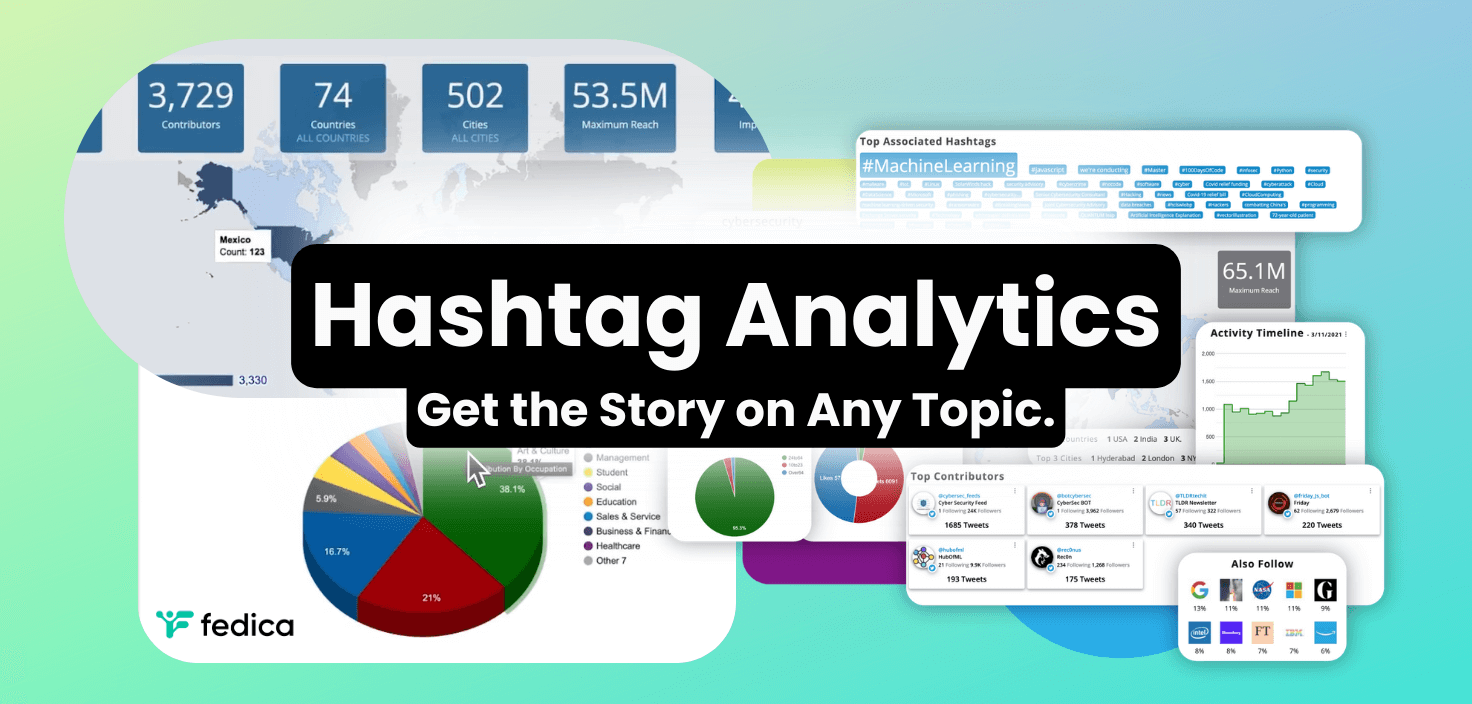
Content can attract people to your business, but what if you could zoom into a conversation and see who is in there before you engage with that topic or hashtag? On X (formerly Twitter), that work starts with Twitter hashtag analytics: measuring how a tag behaves, who shows up, and what you should do next.
In practice, Twitter hashtag analytics is rarely one export. It is a ladder of listening, reporting, audience work, and publishing choices that turn a tag into segments, creative cues, and outcomes you can measure.
76% of customers feel that targeted advertising helps them discover new products. If you pair that behavior with hashtag analytics for Twitter, you can aim at people who already fit your ideal profile, grow followers from real conversations, and shape ads they are more likely to welcome.
Table of Contents
- Twitter hashtag analytics on X: listening and reach
- Video walkthrough of Twitter hashtag analytics (one example)
- From Twitter hashtag analytics to maps, lists, and shortlists
- What Twitter hashtag analytics feeds: ads, nurture, and shared proof
- After Twitter hashtag analytics: publishing and your own account
- How a typical Twitter hashtag analytics project runs
Twitter hashtag analytics on X: listening and reach
Serious Twitter hashtag analytics needs more than a single screenshot of a trending tag. Under Fedica’s Social Listening & Keyword Analysis for X, you want a story that runs backward and forward: what happened, what is happening now, and how far the signal traveled.
It starts with search and analysis of keywords and hashtags. You shape the dataset for your Twitter hashtag analytics: multiple terms, exact phrases, any-of matches, exclusions, language, geography, and a calendar window so the sample matches the campaign or market you care about. From there historical hashtag analysis reports answer the questions peers usually ask when they review Twitter hashtag analytics: volume, who showed up, where they clustered, and which words rode along with the tag.
When the campaign window is still open, real-time listening keeps Twitter hashtag analytics from turning into a manual refresh habit. Post alerts flag when activity on your terms needs a human, which pairs with listening when timing matters. Post reach tracking and tracking reach on X stop you from treating raw post counts as real amplification, and timeline analysis shows spikes, quiet stretches, and second waves so your Twitter hashtag analytics reads like a narrative instead of a flat score.
Sometimes the hashtag string is not the unit of work. The same machinery can start from a bundle of posts you already chose (from a list, a saved set, or a curated slice) when you need reach-style insight on that exact corpus, which is the same underlying idea as Fedica’s reach reporting when you begin from posts instead of keywords. That extends Twitter hashtag analytics beyond a single # query.
Video walkthrough of Twitter hashtag analytics (one example)
Below is a worked example of Twitter hashtag analytics in action: reading a hashtag conversation, pulling a geographic cohort, lining up followers and overlapping accounts, and sending qualified groups toward X Ads. Treat it as one floor of the building; the sections above are the full architecture.
In that workflow you read a hashtag conversation, pull geographic and demographic cohorts, line up followers with segmentation, use common followers to find overlap among “superfans,” and send qualified groups toward X Ads. The same rhythm scales to launches, events, and always-on tags when you treat Twitter hashtag analytics as a system.
Link listening, lists, publishing, and ads so
every report has a next step, not only a chart.
From Twitter hashtag analytics to maps, lists, and shortlists
Twitter hashtag analytics only pays off when it names who to engage, fund, or ignore. Fedica ties listening to place, people, and lists on X.
Maps drill to country, state, or city so the geography in your Twitter hashtag analytics matches creative and spend. Demographics and segmentation layer age, gender, occupation, activity, and related filters so audiences look like cohorts, not the full firehose. Move participants into an X or Fedica list, then analyze that Twitter (X) list so subgrouping, quality checks, and exports stay on one workflow and Twitter hashtag analytics stays consistent as you narrow the crowd.
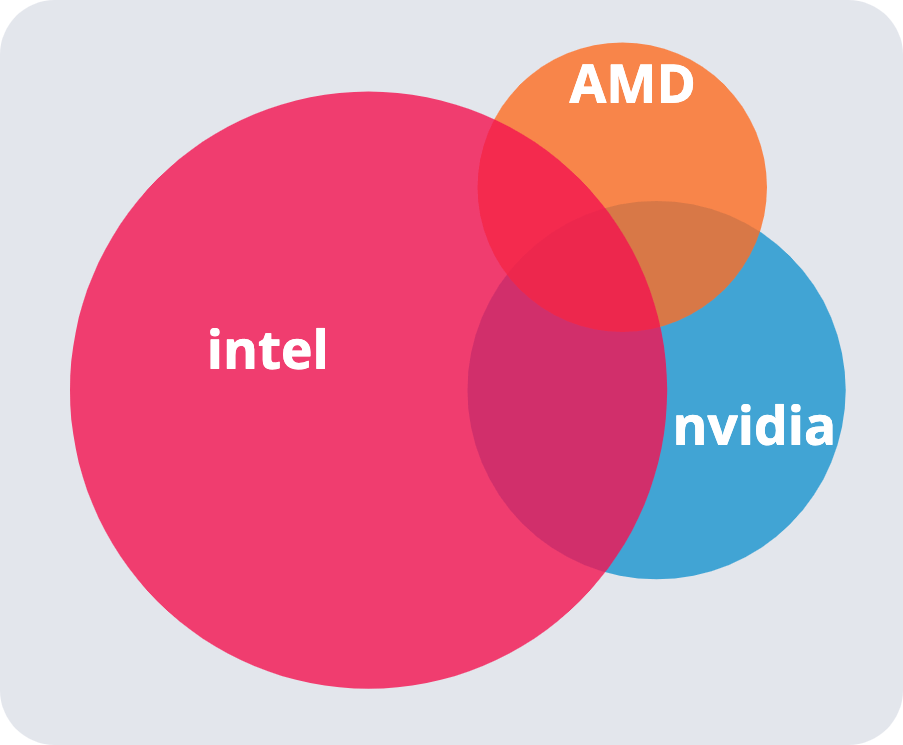
Your own followers need not sit outside the report. Sort followers and follower segmentation match people who already follow you to the profile your Twitter hashtag analytics surfaced in the tag. You can also compare accounts that share followers: common followers reveal overlap (“bubbles” such as superfans who follow two related accounts) when one hashtag is too blunt.
Volume is not influence. Top interactors and influencer-style lists weight accounts that drive replies, reposts, and reach, not everyone who typed the hashtag once. Search accounts (leads, influencers, ads-oriented discovery) seeds partnerships or checks who the tag pulls. The Quality Audit for fake followers and checks for low-quality or inactive accounts keep X Analytics from polluting engagement tests and ad spend.
What Twitter hashtag analytics feeds: ads, nurture, and shared proof
Twitter hashtag analytics often hands off to Ads Audience Builder on X, because you are promoting to people who already demonstrated interest in the topic. After an audience syncs to X, that synced audience is fixed on the ad side. When you need a variant, build a new Fedica audience or list and sync again.
Not every strong segment belongs in paid media. The same Twitter hashtag analytics can power nurture: keep a Fedica or X list for replies, quotes, and relationship building. Interactor and influencer signals from the same data support creator and partner outreach without buying impressions.
When several people touch the plan, export your analysis and team workflows (roles, approvals) move the same Twitter hashtag analytics story from analyst to buyer without conflicting snapshots.
After Twitter hashtag analytics: publishing and your own account
Listening should change what you post next, not only who you target. Hashtag suggestions while composing nudge copy toward tags that already perform. Best times to post align publishing with when the audience your Twitter hashtag analytics mapped is more likely to be active.
If you publish through Fedica, link tracking and UTMs tie traffic from conversations you studied in Twitter hashtag analytics to site visits or signups. On your own account, the engagement dashboard, people behind posts, what followers are talking about now, brand affinity, and related X analytics answer whether your followers care about the same topics as the hashtag crowd, so you do not optimize in a bubble.
How a typical Twitter hashtag analytics project runs
Most teams follow the same shape. Define terms, exclusions, language, geography, and whether you need historical Twitter hashtag analytics, ongoing listening, or alerts. Read geography, timeline, reach, and language until the story is clear before you touch lists. Segment into lists, then run analyze lists, quality checks, and interactor work. Align with your own followers and, if it fits, overlap between two accounts. Activate through nurture lists, outreach, and X Ads Audience, duplicating segments when you need a new synced audience. Finish by publishing with suggestions, timing, and link tracking, and compare your engagement analytics to what Twitter hashtag analytics already showed.
Frequently asked questions about Twitter hashtag analytics
What is Twitter hashtag analytics?
Twitter hashtag analytics is the practice of measuring how a hashtag behaves on X: volume, reach, geography, language, and who participates over time. Fedica extends Twitter hashtag analytics with historical reports, real-time listening, alerts, list analysis, quality filters, and paths into ads and ongoing engagement.
How effective are hashtags on Twitter?
They work best when they match real conversations and cohorts you can see in data. Fedica helps you validate Twitter hashtag analytics with who posted, from where, and whether those accounts merit engagement or spend, instead of generic rules alone.
Can you track hashtags on Twitter with Fedica?
Yes. You can combine historical Twitter hashtag analytics, real-time listening, and post alerts, then move people into lists or Ads Audiences on X.
Does Twitter analytics still support hashtag insight?
Native X analytics is thin for many teams compared with dedicated Twitter hashtag analytics. Fedica connects hashtag and keyword data to segments you can analyze, export, and activate.
How do you track Twitter hashtags?
Set terms, window, and filters; run a historical report for the story so far; add listening and alerts if the campaign is still live. Use list analysis when Twitter hashtag analytics needs accountable names, not only totals.
How do you track a single hashtag?
Collect posts over time, read co-occurring language and geography, then route qualified people from your Twitter hashtag analytics into nurture lists or paid audiences. Quality and activity filters keep segments honest.
Is there a way to follow hashtags on Twitter at scale?
Manual search works for small tests. Fedica stacks historical Twitter hashtag analytics with forward monitoring and alerts so shifts in the conversation surface without constant manual checks.
Is investing in Twitter hashtag analytics worth it?
It pays off when Twitter hashtag analytics changes creative, lists, or budgets. Fedica is built around that handoff: from listening and reach insight to segments, publishing tweaks, and X Ads Audiences.