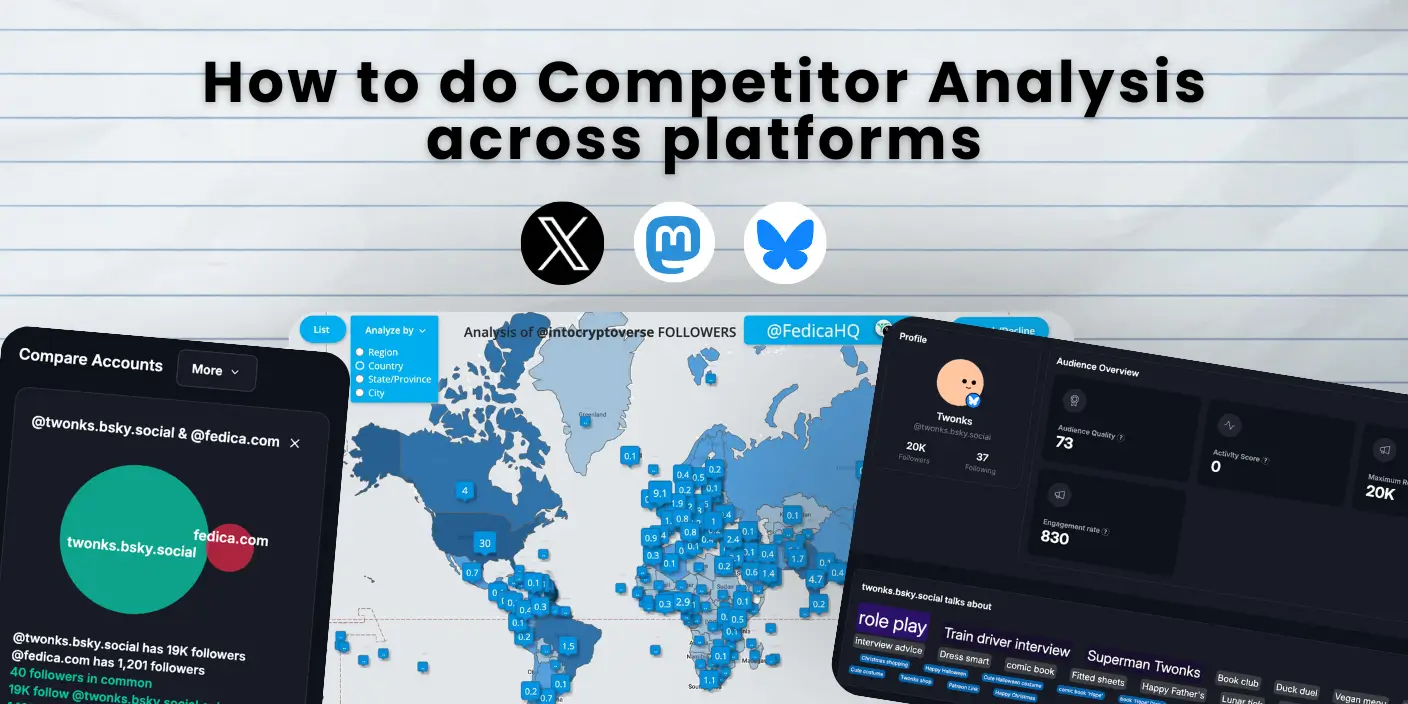
Social media competitor analysis helps you understand what competitors are doing by evaluating their strategies, content, and performance across social platforms. You’ll track competitors across Mastodon, Bluesky, and Twitter/X while discovering the right people to engage with, including potential customers, influencers, and partners.
Effective competitor analysis accomplishes two important goals:
- gathering strategic intelligence about competitor tactics and
- identifying relationship opportunities through top engagers, common followers, and partnership prospects.
You can track competitors using 2 approaches: proactive monitoring that watches competitors continuously and reactive analysis that studies specific competitor events.
Traditional competitor analysis only focuses on learning from rivals. The most effective approach does more: it turns competitive intelligence into relationship discovery, helping you find qualified prospects who already care about your industry. The most valuable competitor analysis combines strategic intelligence with relationship discovery, turning competitive insights into real growth opportunities. Research shows that 93% of consumers expect brands to stay aware of online trends, making comprehensive competitor analysis essential for staying competitive.
Key Takeaways
- Competitor analysis does two things: helps you learn what competitors are doing and helps you find people to connect with (top engagers, common followers, and potential partners).
- Track competitors across Mastodon, Bluesky, and Twitter/X by watching them regularly and studying their moves after big events happen.
- Follow the seven-step process: identify competitors, collect data, analyze strategies, find people to engage with, compare your performance, and spot gaps and opportunities.
- Turn competitor analysis into a way to grow your business by finding accounts that follow competitors but not you. These are people who might want to work with you.
- Use tools that work across all platforms and show you who’s engaging with content, especially on newer platforms where competitors might be getting ahead.
Table of Contents:
- Why Social Media Competitor Analysis Matters: Strategic Intelligence and Relationship Discovery
- Proactive vs Reactive Social Media Competitor Analysis: Two Strategic Approaches
- Cross-Platform Social Media Competitor Analysis: Mastodon, Bluesky, and Twitter/X
- How to Perform a Social Media Competitor Analysis: Complete Step-by-Step Guide
- Key Metrics to Track in Competitor Analysis
- Tools for Social Media Competitor Analysis
- Reactive Analysis Workflows: Learning from Competitor Moves
- Social Media Competitor Analysis Template and Checklist
- Best Practices for Conducting Competitor Analysis
- How Often Should You Do Social Media Competitor Analysis?
- Key Takeaways and Next Steps
Why Social Media Competitor Analysis Matters: Strategic Intelligence and Relationship Discovery
Social media competitor analysis serves two distinct purposes that work together to help your brand grow: strategic intelligence gathering and relationship discovery. Strategic intelligence involves analyzing competitor content types, posting frequencies, engagement strategies, messaging approaches, and performance metrics to identify patterns and opportunities. Relationship discovery finds potential connections through competitor data, including top engagers who might become customers, common followers who share your interests, and partnership prospects.
This dual-purpose approach transforms competitor analysis from defensive intelligence gathering to offensive growth strategy, turning competitive insights into actionable relationship opportunities. Brands that conduct regular competitor analysis consistently outperform those who don’t, with significantly higher engagement rates on platforms where they actively monitor competitors. For deeper insights into identifying social media account analyses, explore how relationship discovery transforms competitive intelligence into growth.
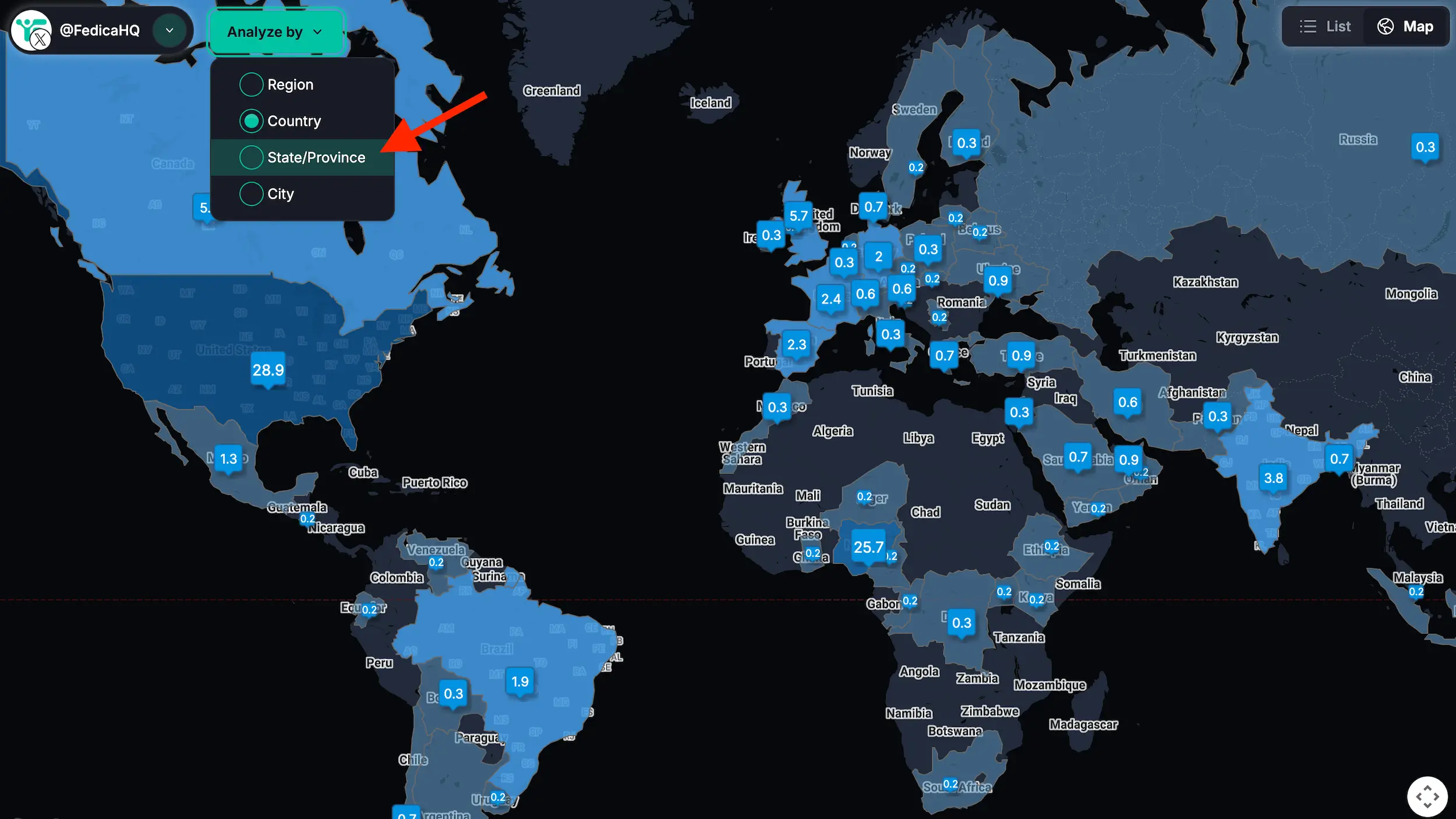
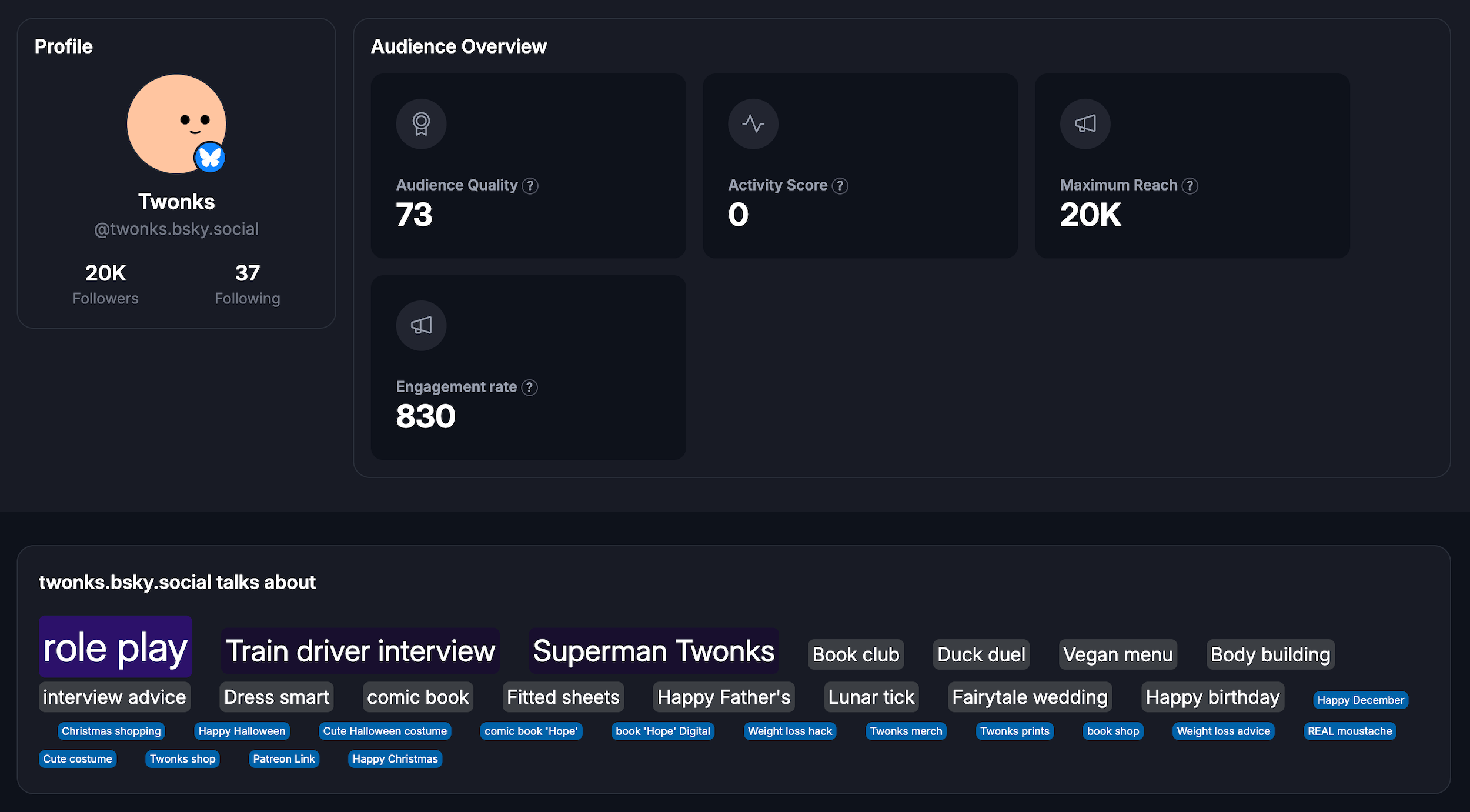
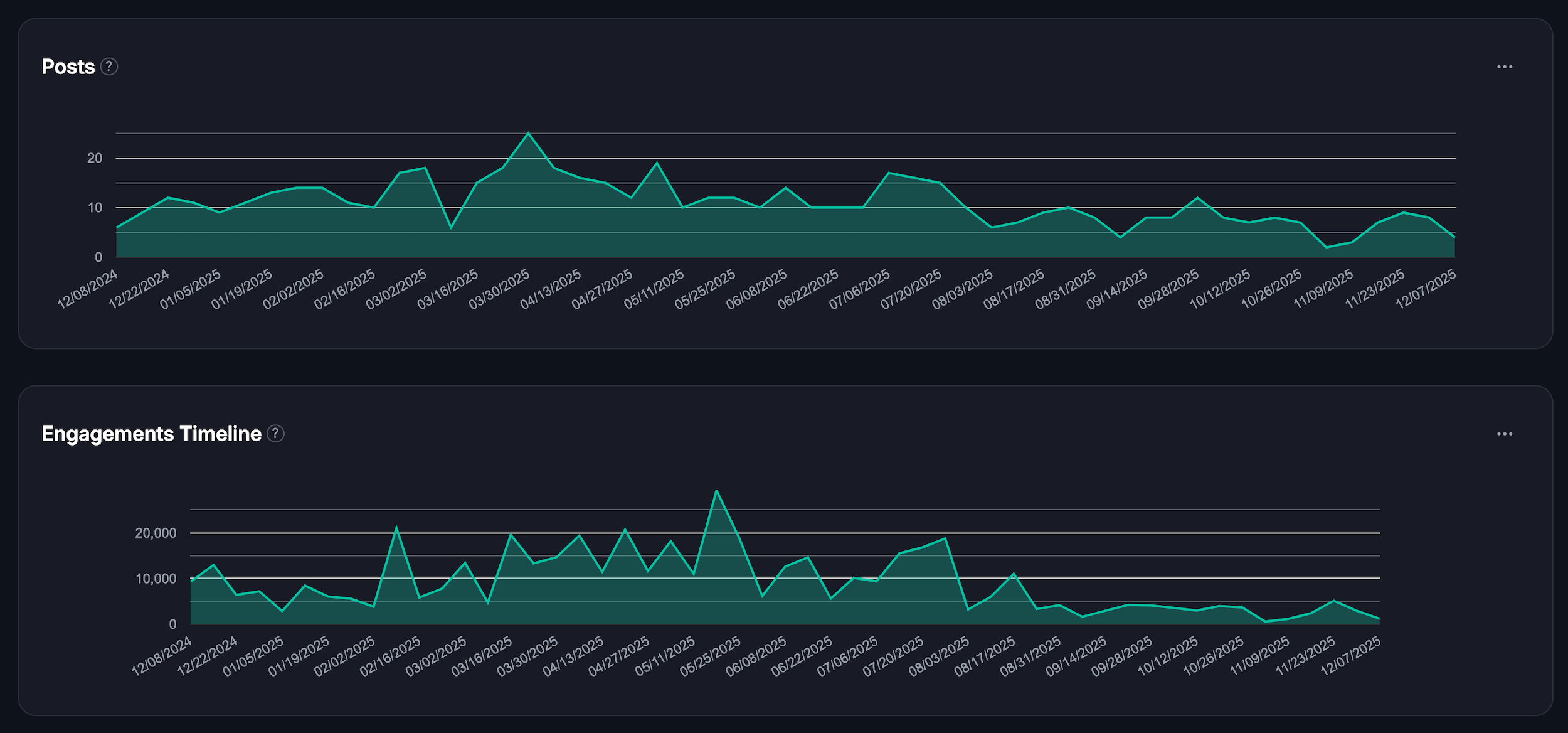
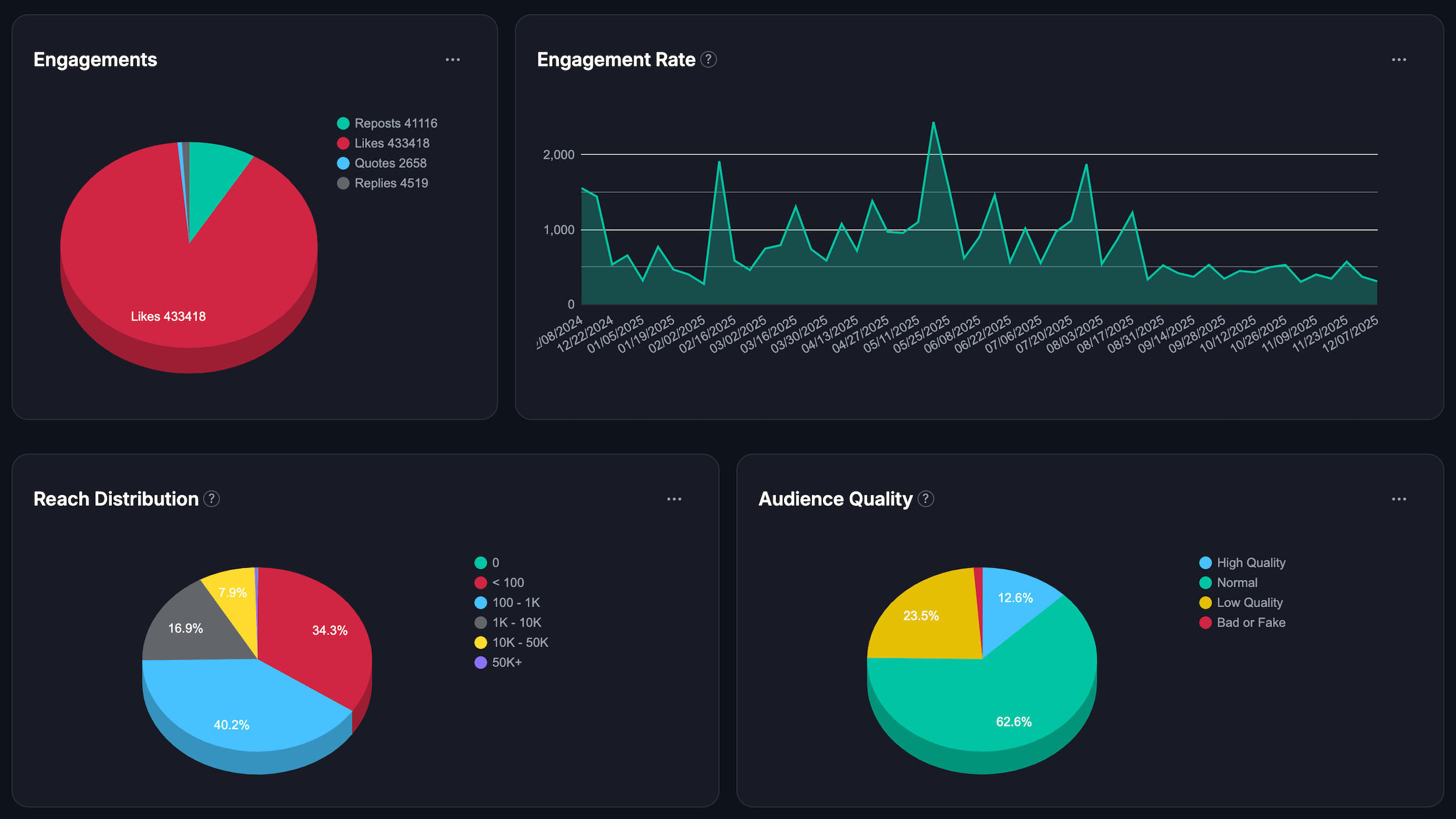
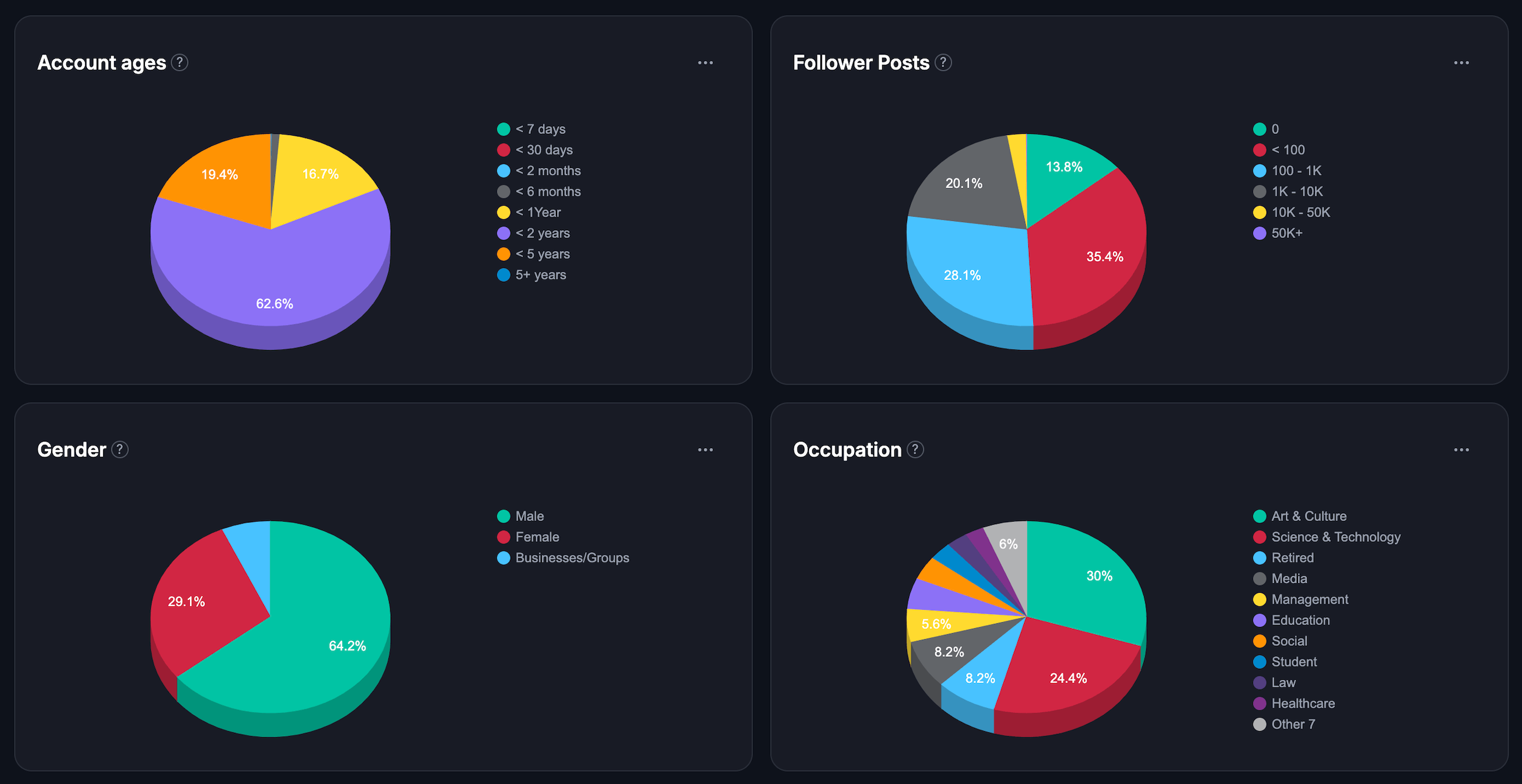
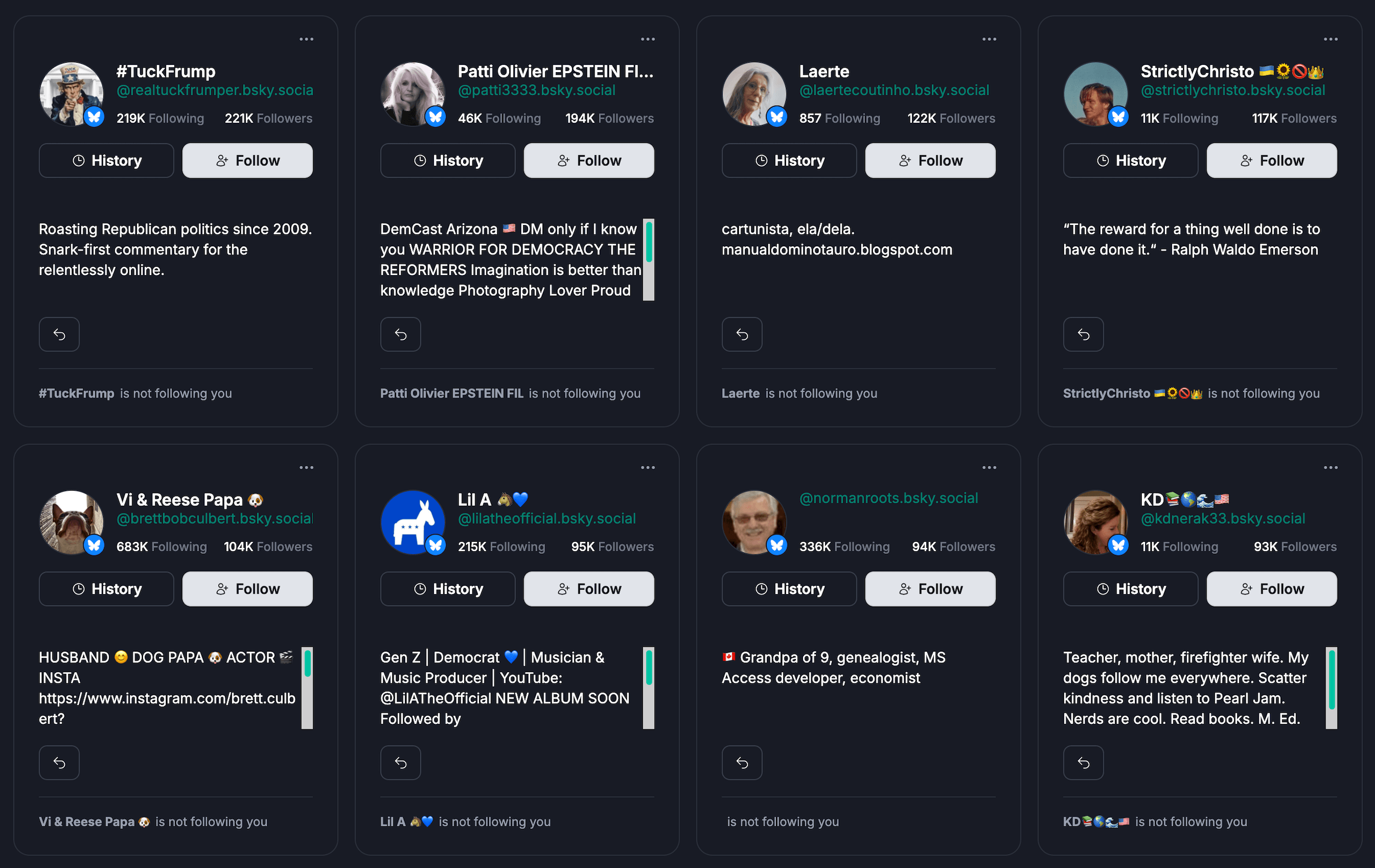
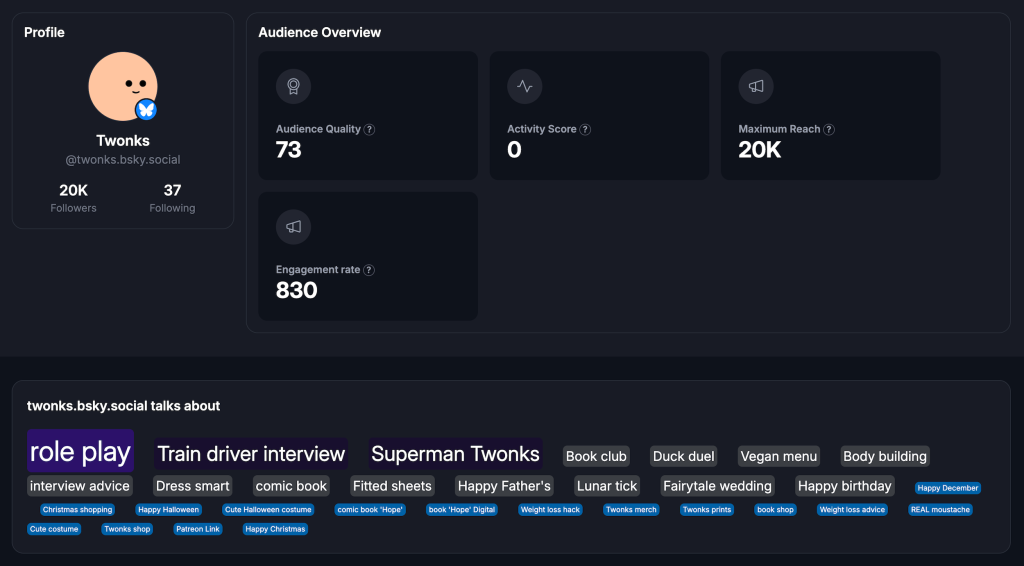
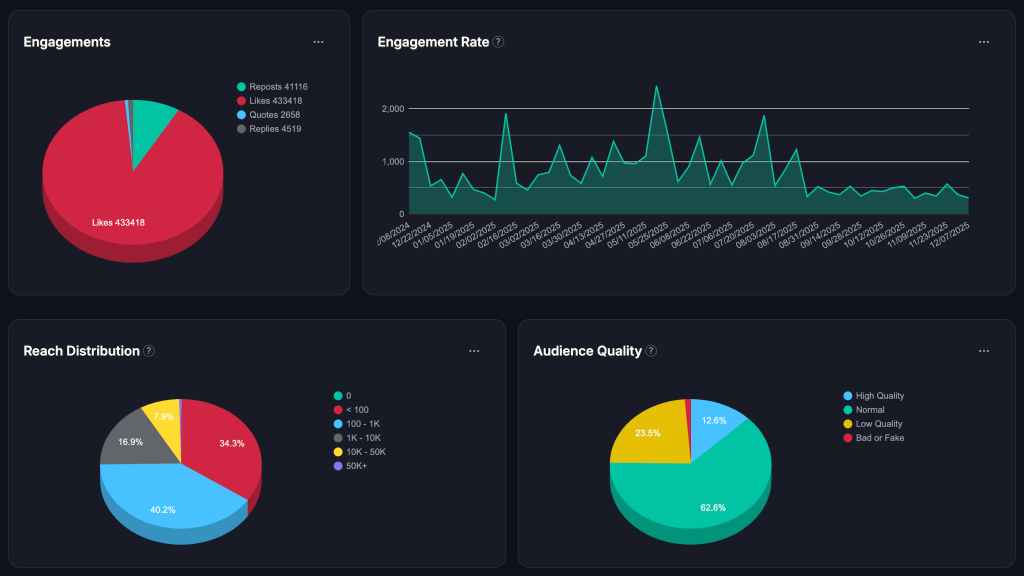
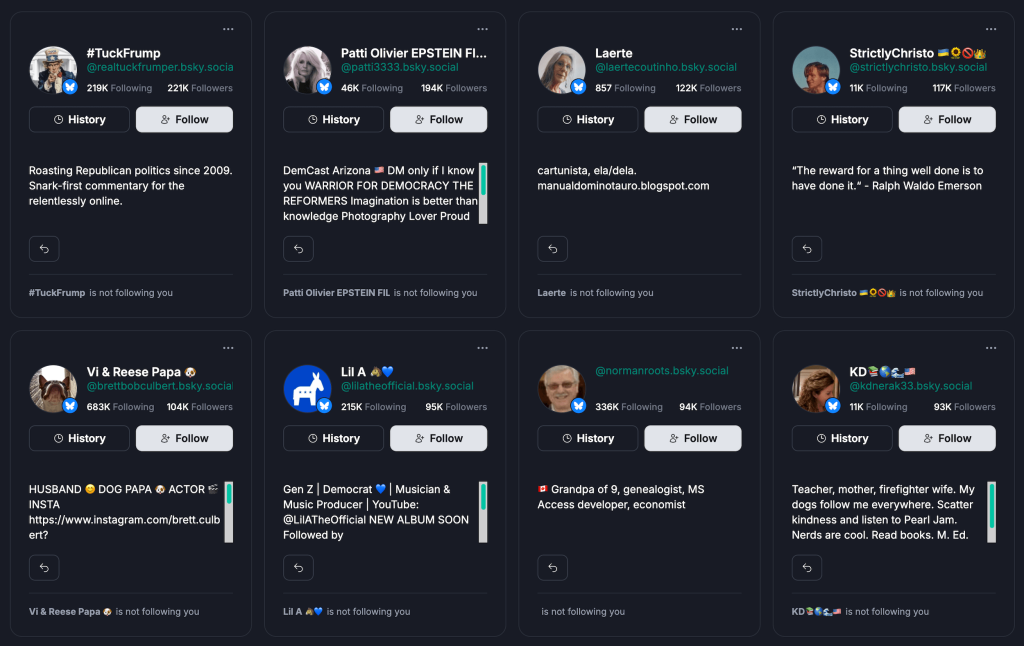
For example, here’s a look at a full competitor analysis in Fedica:
Strategic Intelligence Gathering: Content, Strategies, and Performance
Learn what competitors are doing. Watch what content they post, how often they post, and what gets the most engagement. See what works for them and what doesn’t. This helps you find gaps in your own strategy and spot new trends. For example, if a competitor’s videos get three times more engagement than their text posts, you know to focus more on video content.
Relationship Discovery: Top Interactors, Common Followers, and Partnership Opportunities
Find people to connect with through competitor data. Look at who engages with your competitors. These people might become your customers or partners. Find accounts that follow competitors but not you. These are people who care about your industry and might want to work with you. This turns competitor analysis into a way to grow your network.
Proactive vs Reactive Social Media Competitor Analysis: Two Strategic Approaches
There are two ways to track competitors: watch them all the time, or study them after something big happens. Both approaches work, but they serve different purposes.
Proactive analysis means watching competitors continuously. You track what they’re doing every day, spot trends early, and find new people to connect with as they engage with competitors.
Reactive analysis means studying competitors after something significant happens, such as a big campaign, a crisis, or a viral post. You look at what worked, what didn’t, and what you can learn from it.
The best strategy uses both: watch competitors regularly, and do deep dives when something important happens.
Proactive:
- Ongoing Monitoring,
- Early Trend Detection,
- Continuous Relationship Building
Watch competitors every day. Set up alerts so you know when they post something important or when their engagement spikes. This helps you spot new trends early and find new people to connect with right away. This turns competitor analysis from something you do occasionally into a real advantage.
Reactive:
- Post-Event Analysis,
- Learning from Competitor Moves,
- Identifying Missed Opportunities
Study competitors after big events happen, including major campaigns, crises, viral posts, or strategy changes. Look at what happened, why it worked or didn’t work, and what you can learn. This helps you avoid their mistakes, understand their successes, and find opportunities you might have missed.
Cross-Platform Social Media Competitor Analysis: Mastodon, Bluesky, and Twitter/X
Competitors use different platforms, and each platform works differently. Mastodon, Bluesky, and Twitter/X all have their own rules, algorithms, and ways people engage.
Mastodon is spread across many different servers, so competitors might be on different ones. You need to search each server separately.
Bluesky shows posts in a different order than Twitter/X, which changes how engagement works. You need to read the numbers differently.
Because of these differences, you need tools that work on all three platforms so you can check each one. Checking Mastodon, Bluesky, and Twitter/X in turn gives you the full picture.
A competitor might do great on Bluesky but barely use Twitter/X. They might have a big Mastodon following you didn’t know about. You’ll miss this if you only look at one platform.
Platform-Specific Analysis Strategies
Each platform needs a different approach. Mastodon requires searching different servers. Bluesky’s feed works differently than Twitter/X’s, so you need to understand the numbers differently. Twitter/X has its own verification system and algorithm that affects visibility. Use tools that work on all three platforms so you can analyze and compare competitors on each; compare fairly by using consistent metrics and methods per platform. Choose tools that support Mastodon and Bluesky, not just the big platforms.
Cross-Platform Intelligence Gathering
Checking competitors on each platform (by searching and analyzing each network separately) shows you where they’re winning, where they’re struggling, and what opportunities they’re missing. Good multi-platform analytics means using tools that support Mastodon, Bluesky, and Twitter/X so you can analyze each platform; you build the picture by checking each network. You can see where audiences are moving and decide where to focus your time. To track activity across social media, use tools that work on all the platforms your competitors use, search and analyze each platform to monitor the same competitors on each network. You get a complete picture by checking every platform your competitors use.
How to Perform a Social Media Competitor Analysis: Complete Step-by-Step Guide
Here’s how to do competitor analysis in seven simple steps:
- Find your competitors (both direct and indirect)
- Choose which platforms to track
- Collect data on what they’re posting and how it performs
- Figure out their strategy and messaging
- Find people to connect with through their top engagers
- Compare your performance to theirs
- Find gaps and opportunities
This process gives you 3 things: you learn what competitors are doing, you find people to connect with who might become customers or partners, and you can connect with their communities.
Step 1: How to Identify Your Competitors (Direct vs Indirect) Across Platforms
There are two types of competitors: direct (they sell the same thing you do) and indirect (they serve the same audience or solve similar problems).
Don’t just look at competitors you already know. Use Fedica’s Search Accounts tool to discover new competitors you might not know about. This is especially important on newer platforms like Mastodon and Bluesky.
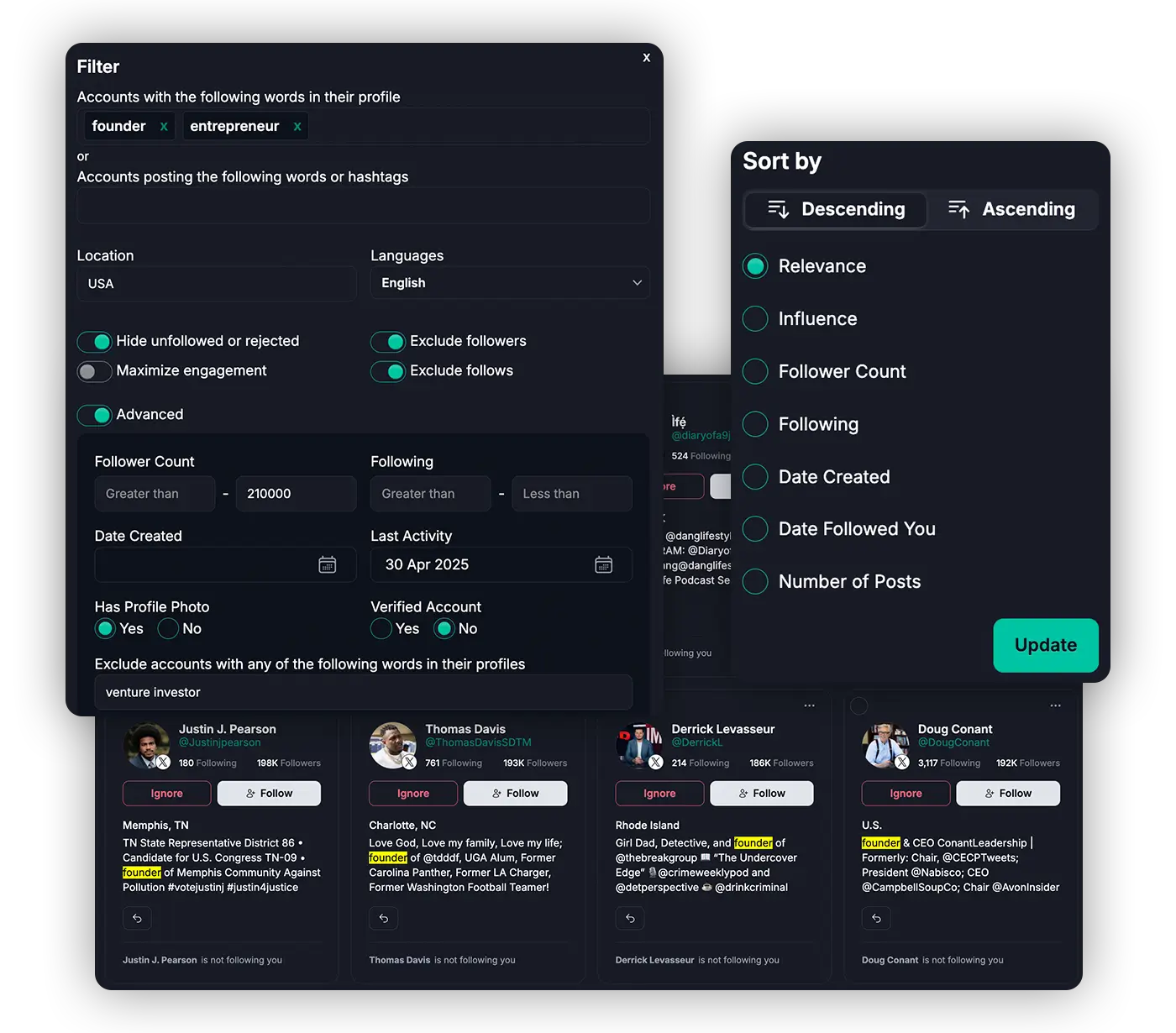
How to use Fedica’s Search Accounts tool: Go to Fedica’s Research section and use Search Accounts to find competitors by entering keywords related to your industry in their bio, follower count ranges, location, and topics they post about. This tool works across Mastodon, Bluesky, and Twitter/X, so you can find competitors on platforms where they might be more active than you realized.
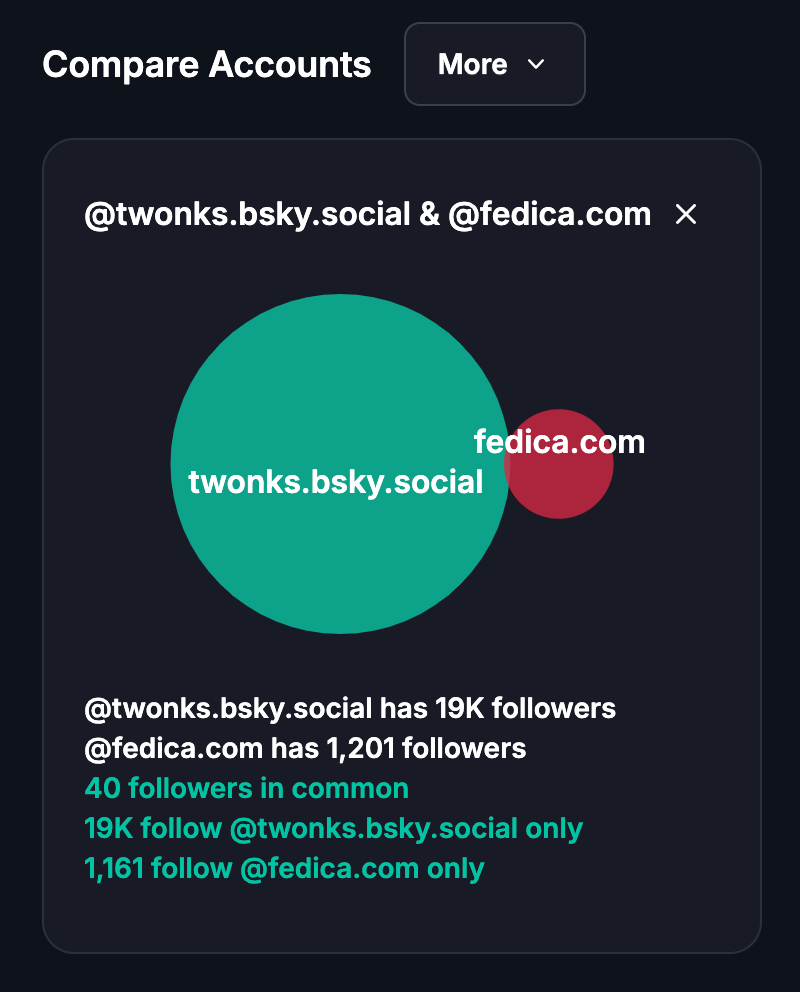
Find competitors through audience overlap: Use Fedica’s Compare Followers Between Accounts tool to analyze accounts that share followers with you. If an account has high follower overlap with yours, they’re likely serving the same audience and could be a competitor. This is particularly powerful for discovering indirect competitors you hadn’t considered.
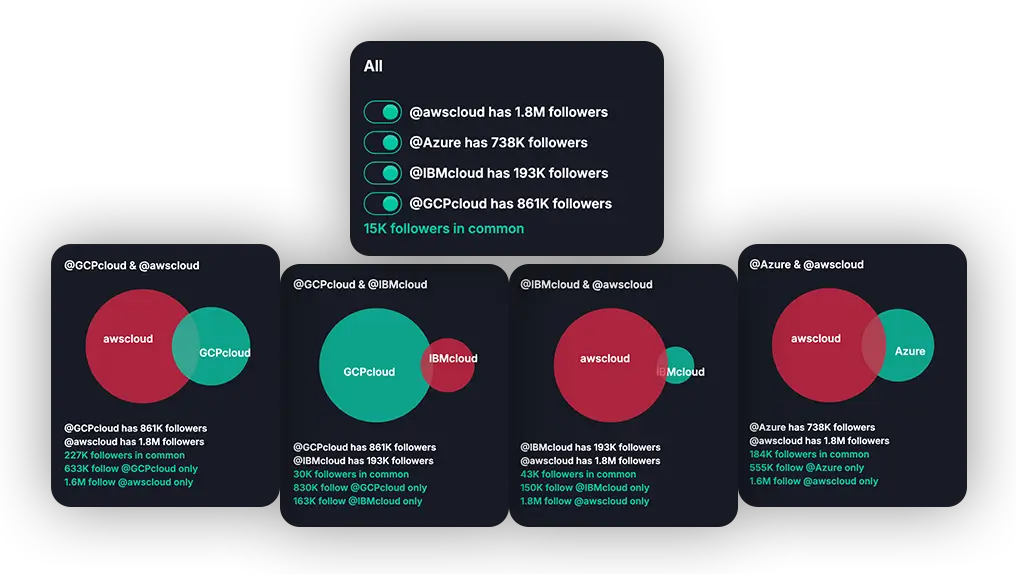
Remember: competitors might be active on different platforms than you. Check Mastodon, Bluesky, and Twitter/X. A competitor might be big on Bluesky but barely use Twitter/X. Fedica lets you search each platform (Mastodon, Bluesky, Twitter/X) so you can find competitors wherever they’re active.
Step 2: Which Platforms to Analyze for Social Media Competitor Analysis (Mastodon, Bluesky, Twitter/X)
Not every competitor uses every platform. Focus on platforms where your audience is most active, but don’t ignore newer platforms where competitors might be getting ahead.
How to use Fedica’s Analyze Account tool to check platform presence: Fedica lets you search each platform (Twitter/X, Bluesky, Mastodon) separately using Fedica’s Analyze Any Account tool to find and analyze competitor accounts on that network. By checking each platform in turn, you can see who is present where, how they perform on each, and which platforms to prioritize for your own monitoring. If a competitor is growing fast on Bluesky but not on Twitter/X, that’s useful information that tells you where to focus your analysis.
For Mastodon, remember competitors might be on different servers, so you need to search each one using Fedica’s search functionality. For Bluesky, the feed works differently, so engagement numbers mean different things. For Twitter/X, the algorithm and verification status affect visibility. Learning how to use the native X analytics helps you compare competitors on that platform, while Bluesky analytics tools do the same for that network.
Step 3: What Data to Collect
Collect data on what competitors post, how much engagement they get, how often they post, what hashtags they use, which posts perform best, and how their audience is growing. Use tools that track historical data, not just recent posts. Pay attention to what topics they cover, how they talk, and how they adapt content for different platforms.
How to use Fedica’s Analyze Account tool to collect competitor data: Enter your competitor’s handle in Fedica’s Analyze Any Account tool to get comprehensive data including:
- Engagement metrics: See their engagement rates, impressions, link clicks, and hashtag performance
- Posting frequency: Analyze their posting patterns and best times to post
- Content performance: Use Fedica’s Account Timeline Analysis (available within Analyze Account) to search, filter, and export their posts to see which content types perform best
- Hashtag usage: Use Fedica’s Twitter hashtag analytics to see which hashtags they use most and how they perform
- Audience growth: Track follower growth and decline trends over time
- Demographics: Understand their audience’s languages, gender, professions, and geographic distribution
Fedica provides historical data beyond the typical 30-day window, giving you a complete picture of competitor performance over time.
Step 4: How to Analyze Competitor Strategies
Look beyond the numbers to understand their strategy. See how they position themselves, what messages they repeat, what content types get the most engagement, and how they stand out. Figure out their brand voice, tone, main topics, and how they change content for each platform.
In Fedica’s Analyze Account tool, use the Account Timeline feature to search and filter a competitor’s posts by date range, keywords, hashtags, and content type. Export this data to identify patterns in their messaging, content themes, and posting strategies. This helps you understand what topics they focus on and how they adapt content for different platforms.
Use Fedica’s Keyword & Hashtag Analysis tool to see what topics and hashtags your competitors use most frequently. This reveals their content strategy and helps you understand what messaging resonates with their audience. You can also analyze hashtag performance to see which ones drive the most engagement.
Use Fedica’s “What Followers Are Talking About Now” feature (available in Growth and Research plans) to see trending topics among your competitor’s followers. This shows you what their audience cares about and how the competitor positions themselves in those conversations.
Step 5: Identify People to Engage With
Find the people who engage most with competitors, find followers you have in common, and discover accounts that follow competitors but not you. These are people who might want to work with you. Use tools to find people who engage with multiple competitors. You need tools that show you individual engagers, not just overall numbers.
This is where competitor analysis becomes relationship discovery. Use Fedica’s Find Common Followers Between Accounts tool to see which accounts follow both you and your competitors. These shared followers are people who care about your industry and might be interested in partnerships or collaborations.
When analyzing a competitor’s account in Fedica, look at their follower list and use Sort Follower to identify influential followers. Fedica’s Real Influencers You Should Follow feature helps you find accounts that actively engage with your account.
Analyze several competitors using Fedica’s Analyze Account tool, then compare their follower lists using Find Common Followers to identify accounts that follow multiple competitors. These are highly engaged industry participants who are likely interested in your content too.
Step 6: How to Benchmark Your Performance
Compare your numbers to competitors: engagement rates, follower growth, how often you post, which content performs best, response times, and which platforms you’re on. Compare by content type, platform, time of day, and topic to see exactly where you can improve.
Analyze both your account and competitor accounts using Fedica’s Analyze Any Account tool to compare key metrics side-by-side:
- Engagement rates: Compare your engagement metrics (likes, retweets, replies) to competitors using Fedica’s analytics dashboard
- Follower growth: Use Fedica’s follower growth/decline analysis to see how your growth compares to competitors over time
- Posting frequency: Compare your posting patterns to competitors using Account Timeline Analysis (available within Analyze Account)
- Best times to post: Use Fedica’s Best Times to Post feature to compare when you post versus when competitors post and when their audience is most active
- Content performance: Export and compare top-performing posts from your Account Timeline Analysis versus competitors
- Platform presence: Compare which platforms you and competitors are active on
Use Fedica’s Quality Audit feature to compare follower quality between your account and competitors. This shows you if competitors have more real, engaged followers versus fake or low-quality accounts.
Step 7: Identify Gaps and Opportunities
Turn your findings into action items. Look for content gaps (topics, formats, or platforms competitors use that you don’t) and relationship opportunities (influencers, communities, potential partners). Make a list with quick wins, bigger projects, and long-term relationship-building goals.
Use Fedica’s Keyword & Hashtag Analysis to compare which topics and hashtags competitors use that you don’t. Use Account Timeline Analysis (available within Analyze Account) to see content formats (threads, polls, videos) that competitors use successfully but you haven’t tried. Export competitor posts and analyze their messaging to find topics you’re missing.
Check each platform (Twitter/X, Bluesky, Mastodon) with Fedica’s Analyze Account tool to see which platforms competitors are active on that you’re not. If competitors are growing on Bluesky or Mastodon and you’re not there, that’s a clear opportunity.
Use the lists you created in Step 5 (common followers, accounts following competitors but not you, top engagers) and export them from Fedica. Use Fedica’s Search Accounts tool to filter these lists by demographics, keywords in bio, location, and other criteria to prioritize outreach. Create Fedica Lists to organize these opportunities for ongoing relationship building.
Key Metrics to Track in Competitor Analysis
Track metrics that actually help you, not just numbers that look good. Watch these key things: follower growth, engagement rates, how often they post, which content performs best, what hashtags they use, who engages most (so you can find people to connect with), how fast they respond, and which platforms they use. Compare engagement by platform, content type, and time period to see what gets people to interact.
Tools for Social Media Competitor Analysis
Choose tools that work across all platforms (especially Mastodon, Bluesky, and Twitter/X), show you who overlaps with competitors (so you can find people to connect with), give you access to old data (not just the last 30 days), send you alerts in real-time, and show you individual people who engage, not just overall numbers. The best tools work across all the platforms you care about, so you can track the same competitors and compare fairly, building a clear picture by analyzing each network (data isn’t merged across platforms). Look for tools that show you both overall numbers and individual engagers so you can learn from competitors and find people to connect with.
Fedica’s competitor analysis tools include:
- Analyze Any X Account: Comprehensive competitor analysis with demographics, engagement metrics, follower data, and content insights on each of Mastodon, Bluesky, and Twitter/X (analyze one platform at a time)
- Compare Followers Between Accounts: See audience overlap and find accounts that follow competitors but not you or Identify shared audiences for partnership opportunities
- Search Accounts: Discover new competitors by keywords, demographics, location, and follower count
- Account Timeline Analysis: Search, filter, and export competitor posts to analyze content strategies (available within Analyze Account)
- Keyword & Hashtag Analysis: Understand competitor content themes and hashtag performance
- Post Alerts: Get real-time notifications when competitors post about specific topics
- Quality Audit: Assess competitor follower quality and identify fake or low-quality accounts (available within Analyze Account and Follower Segmentation)
- Top Interactors: Find accounts that engage most with competitors
- Filter X Follower: Filter and analyze competitor followers by demographics, keywords, and more
Fedica provides historical data access beyond 30-day windows, works across Mastodon, Bluesky, and Twitter/X, and shows you individual engagers (not just aggregate numbers) so you can turn competitive intelligence into relationship opportunities.
Reactive Analysis Workflows: Learning from Competitor Moves
Conduct reactive analysis after significant competitor events to learn what worked, what didn’t, and how to adapt your strategies. Use Fedica tools to analyze competitor moves systematically. Here’s how to use this chart with Fedica:
| Event Type | What to Analyze | Key Insights |
|---|---|---|
| Post-Crisis | Messaging strategies, response times, platform choices, audience reactions | Prepare for potential crises; identify competitor vulnerabilities |
| Campaign Post-Mortem | Top-performing content, messaging that resonated, platform distribution, engagement patterns | Adapt successful strategies; improve upon their approach |
| Strategy Pivot | What drove the change, performance results, new platform focus, content format shifts | Understand industry evolution; adapt proactively |
How to conduct reactive analysis using Fedica tools:
- Post-Crisis Analysis: Use Fedica’s Account Timeline Analysis to search competitor posts during the crisis period. Analyze their messaging strategies, response times, and platform choices. Use Keyword & Hashtag Analysis to see which topics they addressed and how their audience reacted.
- Campaign Post-Mortem: Use Fedica’s Account Timeline Analysis to filter competitor posts by date range during their campaign. Export top-performing posts to analyze content types, messaging, and hashtags. Use engagement metrics to see which posts resonated most. Use “Find Common Followers” to see if the campaign attracted new audience segments you should target.
- Strategy Pivot Analysis: Use Fedica’s Analyze Account tool to compare competitor metrics before and after the pivot and identify new topics they’re focusing on. Use Account Timeline Analysis to see content format changes. Use follower growth/decline data to see if the pivot is working.
Social Media Competitor Analysis Template and Checklist
Use this checklist to ensure your analysis covers all essential areas:
Competitor Identification
- [ ] Direct competitors identified
- [ ] Indirect competitors identified
- [ ] Competitors discovered across all relevant platforms
- [ ] Competitor lists documented
Data Collection
- [ ] Content types analyzed
- [ ] Engagement metrics tracked
- [ ] Posting frequency documented
- [ ] Hashtag usage cataloged
- [ ] Top-performing content identified
- [ ] Audience growth trends tracked
Strategy Analysis
- [ ] Messaging themes identified
- [ ] Positioning analyzed
- [ ] Content pillars documented
- [ ] Platform strategies compared
- [ ] Brand voice and tone analyzed
Relationship Discovery
- [ ] Top interactors identified
- [ ] Common followers analyzed
- [ ] Accounts following competitors but not you discovered
- [ ] Partnership opportunities identified
- [ ] Influencer relationships mapped
Benchmarking
- [ ] Engagement rates compared
- [ ] Follower growth benchmarked
- [ ] Content performance compared
- [ ] Response times benchmarked
- [ ] Platform presence compared
Opportunity Identification
- [ ] Content gaps identified
- [ ] Platform opportunities discovered
- [ ] Relationship opportunities prioritized
- [ ] Quick wins documented
- [ ] Strategic initiatives planned
Best Practices for Conducting Competitor Analysis
Follow these key best practices to maximize the value of your social media competitor analysis:
Focus on Actionable Insights: Don’t just collect data. Identify specific actions you can take based on findings. Combine quantitative metrics with qualitative analysis to understand both what’s happening and why.
Prioritize Relationship Discovery: Don’t just learn from competitors. Discover people to engage with through competitor analysis. This transforms competitive intelligence into growth opportunities.
Use cross-platform analysis: In the fragmented social media landscape, single-platform analysis misses opportunities. Track competitors across Mastodon, Bluesky, and Twitter/X to get the full picture.
Adapt Strategies, Don’t Copy: Learn from competitors but adapt strategies to fit your unique brand, audience, and goals. The goal isn’t to copy competitors. Instead, it’s to learn from them and adapt their successful strategies.
How Often Should You Do Social Media Competitor Analysis?
Watch competitors regularly by reviewing what they’re doing monthly to stay informed. Do a deeper analysis every few months to see the big picture. When something big happens (major campaigns, crises, strategy changes, or viral posts), study it right away to learn from it. Most importantly, keep finding new people to connect with all the time. Don’t just do it once. Continuously look for people who engage with competitors who might want to work with you.
Key Takeaways and Next Steps
Good competitor analysis does two things:
- you learn what competitors are doing, and
- you find people to connect with.
These people include top engagers, followers you have in common, accounts that follow competitors but not you, and potential partners.
Most guides only tell you to learn from competitors. The best analysis does more: it helps you find people who can help you grow.
Use both approaches: watch competitors regularly, and study them when something big happens. Choose tools that work on all platforms and show you individual people who engage, not just overall numbers. Remember: competitor analysis isn’t just about learning what competitors do. It’s also about finding people who can help you grow.
Brands that track competitors on all relevant platforms (by checking each one) and find people to connect with will have a big advantage. They’ll do better than brands that only look at one platform.
Frequently Asked Questions
What are the 4 P’s of competitor analysis?
The 4 P’s framework (Product/Content, Price/Value Proposition, Promotion/Distribution, Place/Platform Strategy) helps you analyze competitors comprehensively across all strategic dimensions, not just content or engagement metrics.
How to conduct a social media competitor analysis?
Conduct analysis in seven steps: identify direct and indirect competitors across platforms, choose which platforms to analyze, collect data on content and engagement, analyze competitor strategies, identify people to engage with through top interactors and common followers, benchmark your performance, and identify gaps and opportunities. Use tools that work across multiple platforms and support relationship discovery.
What tools can you use for social media competitor analysis?
Use tools that work across multiple platforms (especially Mastodon, Bluesky, and Twitter/X), provide audience overlap analysis for relationship discovery, offer historical data access beyond 30-day windows, enable real-time monitoring, and provide individual engager insights rather than just aggregate metrics.
How often should you do competitor analysis?
Set up proactive monitoring with weekly or monthly review cycles. Conduct comprehensive audits quarterly or semi-annually. Perform reactive analysis immediately after significant competitor events (campaigns, crises, strategic pivots). Make relationship discovery an ongoing process.
What metrics should you track in competitor analysis?
Track follower growth, engagement rates, posting frequency, content performance, hashtag usage, top engagers (for relationship discovery), response times, and platform presence. Focus on metrics that provide actionable insights rather than vanity metrics.
What is the difference between proactive and reactive competitor analysis?
Proactive analysis involves continuous monitoring with real-time alerts, ongoing relationship discovery, and trend detection. Reactive analysis happens after significant events to learn from competitor moves and identify missed opportunities. The most effective strategy combines both approaches.